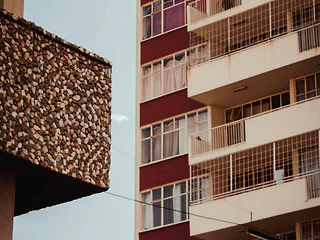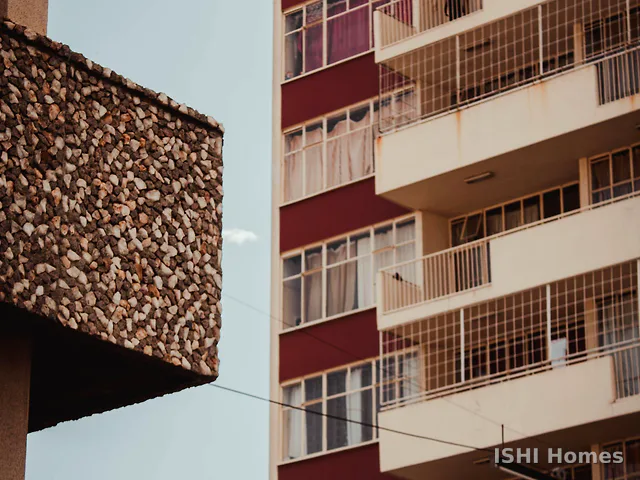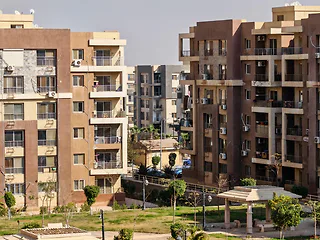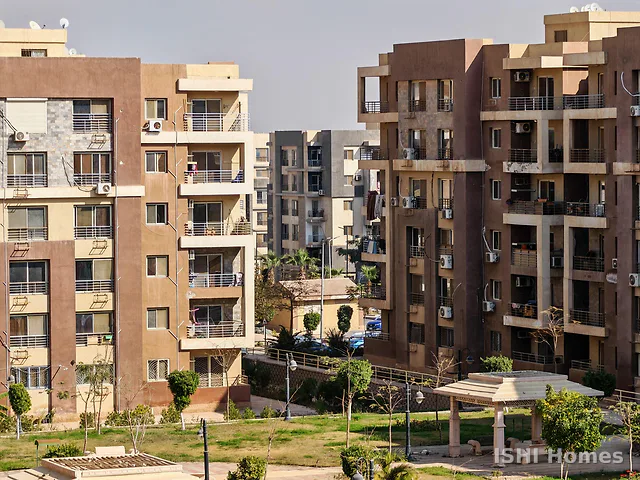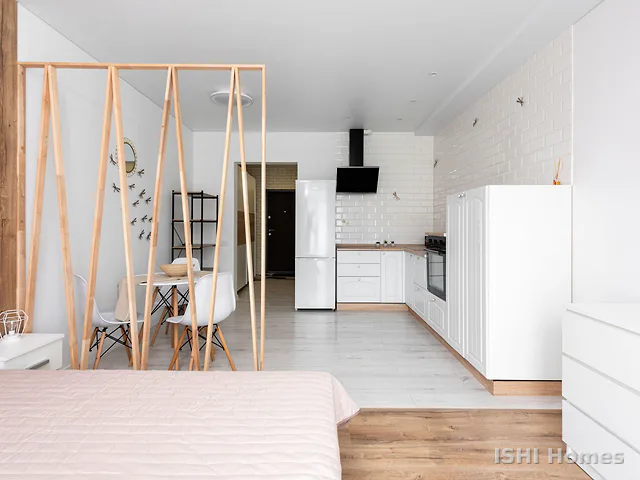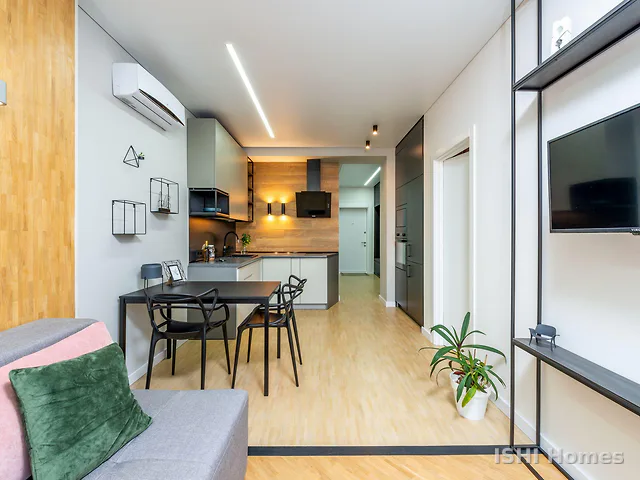
Looking for houses to rent in Kahawa Wendani? This area sits right next to Kenyatta University, so most homes are bedsitters and small apartments built for students and young workers. Rents are fairly low, but noise, water and security can change a lot from one street to the next. This guide helps you know what to check before you move.
Kahawa Wendani at a glance
These figures come from ISHI Homes listings in Kahawa Wendani and the estates below it, as of 25 Oct 2026. "Rent plus deposit" is the typical money you need on move-in day. A deposit is money the landlord keeps and should return when you leave, minus any agreed costs for damage.
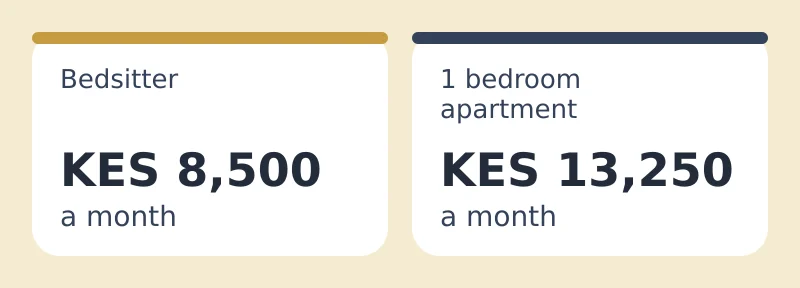
| House type | Median rent a month | Typical rent plus deposit |
|---|---|---|
| Bedsitter | KES 8,500 | KES 17,000 |
| 1 bedroom apartment | KES 13,250 | KES 26,500 |
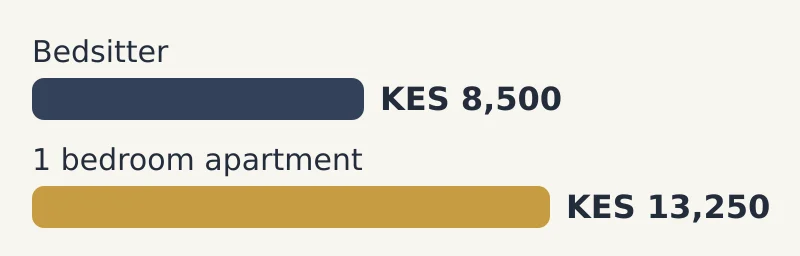
These numbers come from a small number of listings (3 bedsitters and 2 one-bedroom units), so treat them as a rough guide. Prices for houses closer to the university gate or on newer blocks may differ. The median is the middle price, so half the houses cost less and half cost more.
Who it suits and who it does not
Good for:
- Kenyatta University students and staff who want to walk to campus
- Young workers on a tight budget who want a bedsitter
- People who like a busy area with food and shops open late
Not ideal for:
- Families who need two or more bedrooms and a quiet compound
- People who sleep early or work from home and need quiet
- Anyone who wants a large, green, low-density estate
Getting around
Kahawa Wendani is close to Thika Road, so matatus and boda bodas are easy to find. Most people walk to campus or the main road.
Tips:
- Walk from the house to the main road yourself during rush hour before you sign
- Ask neighbours how long the trip to town takes in the morning and evening
- Check if the path to the main road is lit at night
- Some inner roads get muddy when it rains, so ask how the street looks in the rainy season
Water and power
Water supply is one of the biggest differences between buildings and streets here. Some buildings have a steady supply, others depend on storage tanks or water bought from vendors.
Ask the caretaker and current tenants:
- How many days a week does water come?
- Is there a borehole or a large storage tank on the roof?
- Is water billed separately, and how much does it usually cost a month?
- Is power on a prepaid token meter for each unit, or shared?
- How often does power go off, and for how long?
Turn on the taps and flush the toilet during the viewing. Look for water tanks on the roof and check for damp patches on walls.
Safety in Kahawa Wendani
Safety can vary by street and by building. Busy streets near the campus have more people around late at night, which some find safer, but petty theft can still happen in any crowded area.
What to check:
- A gate that locks and a caretaker or guard on site
- Good lighting at the gate, stairs and corridors
- Strong doors and window grills, especially on the ground floor
- Visit at night as well as during the day to see how the street feels
- Ask tenants, especially women living alone, how safe they feel walking home
Noise
Because many tenants are students, some buildings and streets are loud, especially at weekends and at the start of semesters. Bars, clubs and music shops can add to the noise. Visit on a Friday or Saturday evening if quiet matters to you, and ask the caretaker whether the building has house rules on noise.
Shopping and daily life
The area has many small shops, kiosks, food joints, mama mbogas and mobile money agents serving the student crowd. Larger supermarkets and malls are found along Thika Road and in nearby areas. Daily costs for food can be fairly low because many vendors price for students.
Schools and health
Kenyatta University is the main institution here. There are also private and public primary and secondary schools and clinics in and around the area. Visit any school or clinic yourself, and ask neighbours which ones they use and trust. For bigger hospitals, check how far the nearest one is and how you would get there at night.
Internet
Several home fibre providers serve parts of Kahawa Wendani, and mobile data coverage is generally good because of the student demand. Coverage changes by building, so:
- Ask the caretaker which fibre providers are already connected to the building
- Check your phone signal inside the house, not just outside
- Some buildings include Wi-Fi in rent, so ask what speed and how reliable it is
Pros and cons
| Pros | Cons |
|---|---|
| Low rents for bedsitters | Can be noisy, especially near campus |
| Walking distance to Kenyatta University | Water supply varies by building |
| Easy access to Thika Road | Few large family houses |
| Many cheap food and shopping options | Crowded streets and some muddy inner roads |
Nearby alternatives
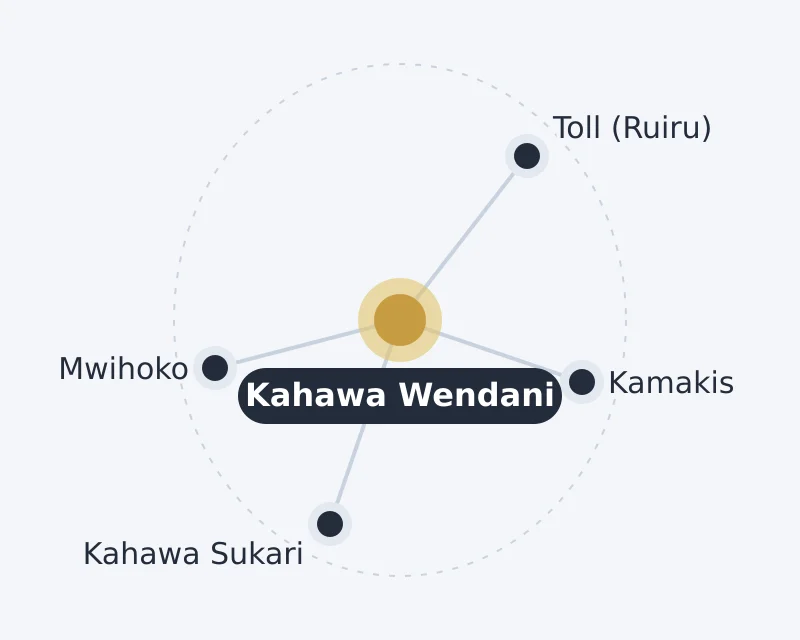
If Kahawa Wendani does not fit, compare these nearby areas:
- Kahawa Sukari: often quieter and more residential, with more family homes
- Kamakis: known for its nightlife and food spots, and has newer apartments
- Mwihoko: further from the main road, with more space and newer developments
- Toll (Ruiru): close to Thika Road with many apartment blocks
View houses in two or three of these areas before you decide.
Before you pay anything
- Never pay before viewing. Do not send a deposit or "booking fee" for a house you have not seen.
- View the house in person. Check the water, power, locks and noise yourself, and meet the caretaker or landlord.
- Use verified listings. Find verified houses to rent in Kahawa Wendani and nearby areas on ISHI Homes (homes.ishi.digital).