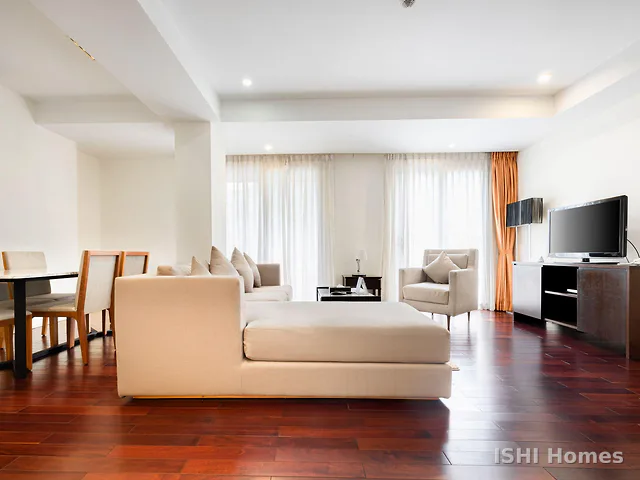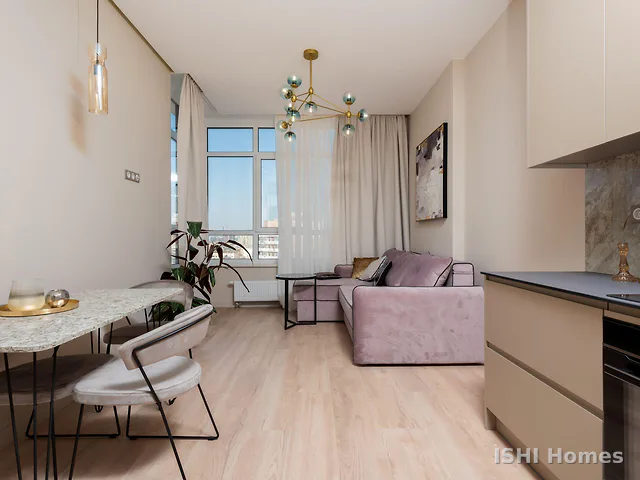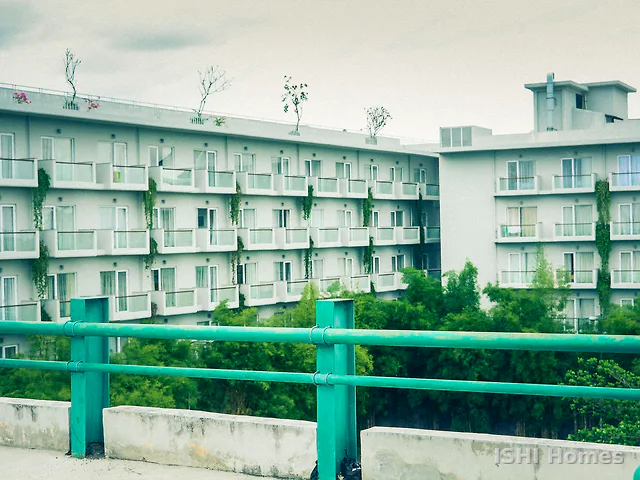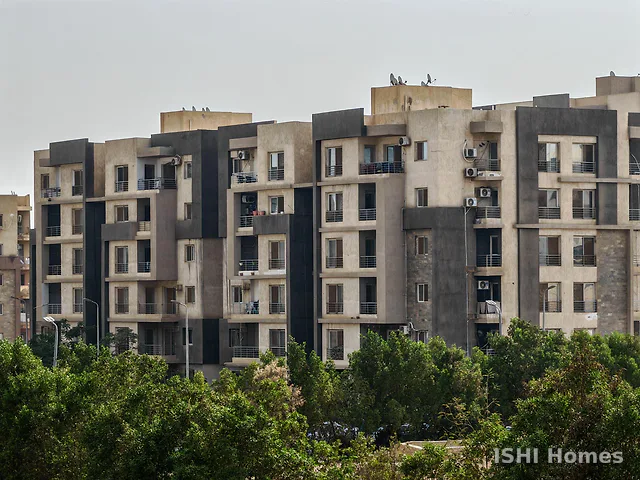
If you are looking for houses to rent in Toll (Ruiru), you are looking at a busy, apartment-heavy area near Thika Road. Many people choose it because it is cheaper than estates closer to Nairobi, and you can still commute to town every day. This guide covers rent, transport, water, safety and daily life, plus what to check before you move.
Houses to rent in Toll (Ruiru) at a glance
These figures come from ISHI Homes listings in Toll (Ruiru) and nearby estates, as of 25 Oct 2026. We have only a few listings, so treat them as a rough guide, not a fixed price.
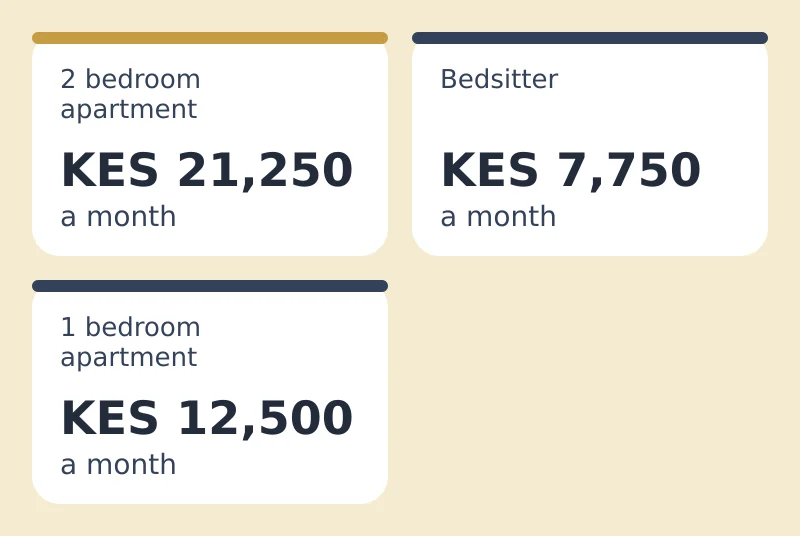
| House type | Median rent a month | Typical rent plus deposit | Listings |
|---|---|---|---|
| Bedsitter | KES 7,750 | KES 15,500 | 2 |
| 1 bedroom apartment | KES 12,500 | KES 25,000 | 1 |
| 2 bedroom apartment | KES 21,250 | KES 42,500 | 2 |
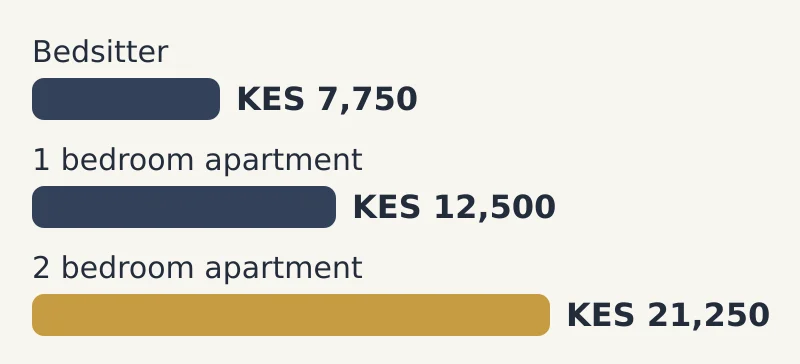
- Median rent is the middle price. Half the houses cost less, half cost more.
- Rent plus deposit is the money you usually need to move in: the first month's rent plus a deposit, here about one month's rent. The deposit is money the landlord keeps and should return when you leave, minus any agreed repair costs.
Ask if there are other costs, such as a water deposit, a garbage fee or a service charge. Get them in writing.
Who it suits and who it does not
Toll may suit you if you:
- Work in Nairobi CBD, along Thika Road or in Ruiru and Juja town.
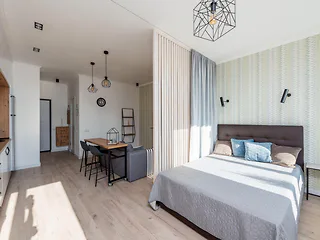
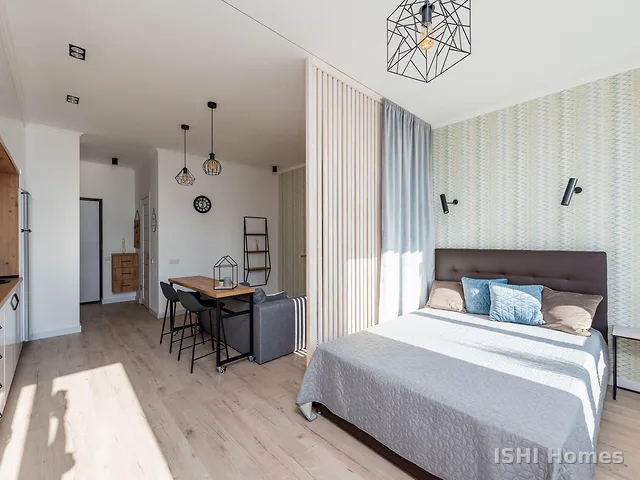
- Want a modern apartment for less than you would pay closer to the city.
- Are a young professional, student or small family on a budget.
- Like having shops and transport close to home.
It may not suit you if you:
- Want a quiet, green compound with lots of space.
- Need a short, predictable drive to town at rush hour.
- Prefer a standalone house with a garden (most stock here is apartments).
Getting around
Toll sits close to Thika Road, which is the main way into Nairobi. Most people commute by matatu or bus, and some drive.
Things to check before you sign:
- How far the house is from the main road. Walk it yourself. Some apartments are a short walk away; others need a boda boda (motorbike taxi).
- Matatu stages. Ask neighbours or the caretaker which stage people use and what the fare is at peak and off-peak hours.
- Rush hour. Do a test trip to your workplace on a weekday morning. Traffic on Thika Road can change a lot depending on the time you leave.
- Inner roads. Some estate roads are rough or muddy when it rains. Check the road to the gate, not just the highway.
Water and power
Water is the first thing to ask about in many Ruiru estates.
- Ask if the building gets county water, borehole water, or both.
- Check for a storage tank and how big it is.
- Ask how often water runs out and what happens then (for example, bought water from a bowser).
- Open the taps and flush the toilet during the viewing.
For power:
- Ask if each house has its own prepaid token meter. This makes bills clearer.
- Ask how often outages happen and if there is a backup for shared lights, gates and water pumps.
Safety
Safety varies from street to street, so judge each building on its own.
- Look for a manned gate, a perimeter wall and working lights in the compound and stairs.
- Ask if there is a caretaker who lives on site.
- Visit in the evening to see how the route from the stage to the gate feels after dark.
- Talk to current tenants. They will tell you more than any advert.
Shopping and daily life
One of the main reasons people like living in Toll (Ruiru) is that daily needs are close by. You can usually find small shops, kiosks, butcheries, mama mbogas (vegetable sellers), salons and M-Pesa agents within walking distance of most apartment blocks. Bigger supermarkets and markets are found along the main road and in Ruiru town.
When viewing, take a short walk around the block. Note where you would buy food, gas and airtime, and whether there is somewhere to eat nearby.
Schools and health
The wider Ruiru area has public and private schools, plus clinics, pharmacies and hospitals. If you have children, ask other parents in the building which schools they use, and check school transport routes and fees directly with the school. For health, find the nearest clinic and pharmacy and note where the closest hospital with emergency services is before you need it.
Internet
Many apartments in the area have fibre internet, but providers differ by building.
- Ask which fibre providers are already connected to the building.
- Check mobile signal inside the house, not just outside.
- If you work from home, ask a neighbour how reliable their connection is.
Pros and cons
| Pros | Cons |
|---|---|
| Rent is lower than many estates nearer Nairobi | Rush-hour traffic into town can be heavy |
| Lots of apartment options, from bedsitters to 2 bedrooms | Water supply can be uneven in some buildings |
| Shops and daily needs within walking distance | Busy and crowded near the main road |
| Easy access to Thika Road and Ruiru town | Some inner roads are rough in the rainy season |
Nearby alternatives
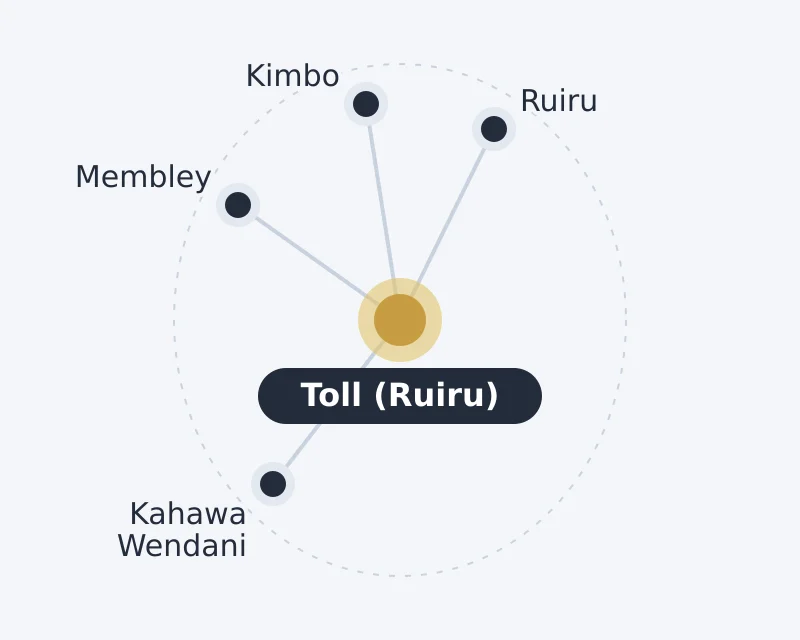
If Toll does not fit, compare these areas on the same points: rent, water, commute and safety.
- Kahawa Wendani - closer to Nairobi, popular with students and young workers. Often busy.
- Kimbo - a nearby Ruiru estate with many apartments. Worth comparing on price and water.
- Membley - known for a calmer, more residential feel. Often more family homes.
- Ruiru town - closer to town services and markets, with a mix of old and new buildings.
Search each area on ISHI Homes and compare listings side by side.
Before you pay anything
- Never pay before viewing. No deposit, no booking fee, no "holding" money.
- View the house in person. Check the water, power, locks and the route to the stage.
- Find verified houses on ISHI Homes at homes.ishi.digital.