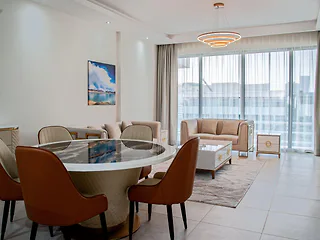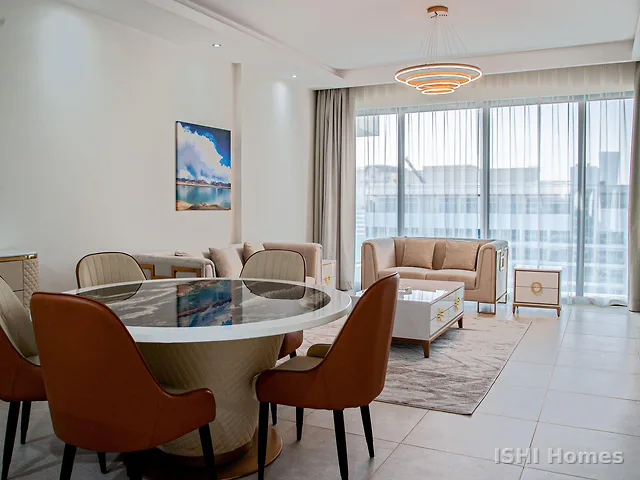
Kilimani is a favourite with young professionals in Nairobi. It sits close to the city centre, has easy access to Ngong Road and is home to Yaya Centre. If you are looking at houses to rent in Kilimani, this guide covers rent, move-in costs, transport, water, safety and nearby areas to compare.
Kilimani at a glance
These figures come from ISHI Homes listings in Kilimani and nearby estates, as of 25 Oct 2026.
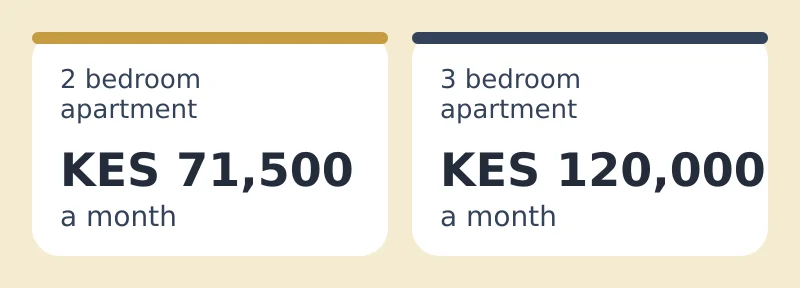
| House type | Median rent a month | Typical move-in cost (rent plus deposit) |
|---|---|---|
| 2 bedroom apartment | KES 71,500 | KES 214,500 |
| 3 bedroom apartment | KES 120,000 | KES 360,000 |
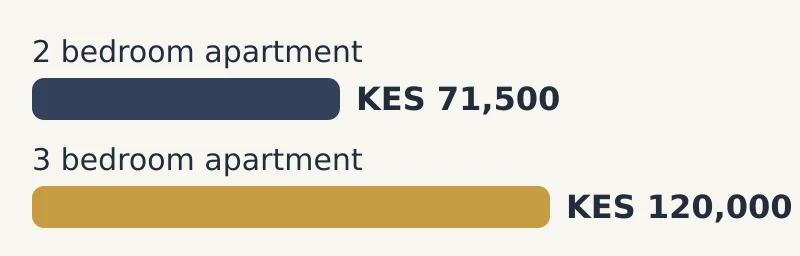
"Median" means the middle price, so half the houses cost less and half cost more. The move-in cost here is about three months of rent: the first month plus a deposit (money the landlord holds and should return when you leave, minus any repair costs).
These numbers come from only a few listings (two for 2 bedrooms, one for 3 bedrooms), so treat them as a rough guide. Prices change from building to building.
Who Kilimani suits and who it does not
It suits:
- Professionals who work in the city centre, Upper Hill or along Ngong Road
- Singles and couples who like cafes, restaurants and shops nearby
- People who want a serviced or furnished apartment
- Newcomers to Nairobi who want an easy place to settle
It may not suit:
- People on a tight budget
- Families who want a big compound or garden
- People who want a very quiet area, since some streets are busy
Serviced and furnished apartments
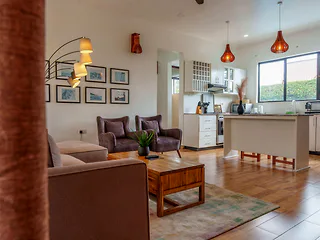
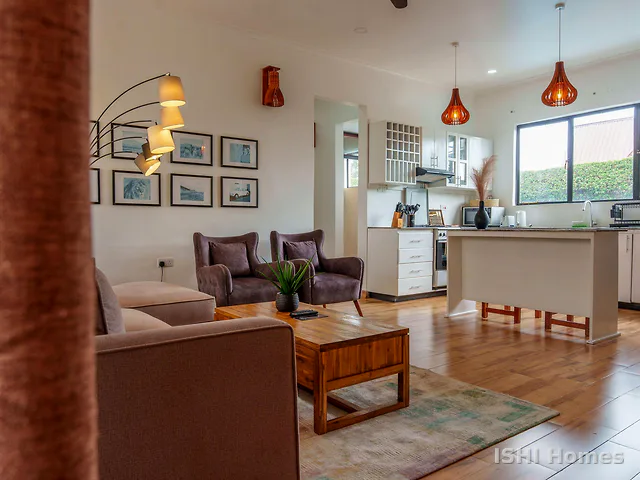
Kilimani has many furnished and serviced apartments.

- Furnished means the house comes with furniture and often kitchen items.
- Serviced usually adds cleaning and sometimes bills like water, power or Wi-Fi in the rent.
They cost more than empty (unfurnished) units, but you save on buying furniture. Always ask for a written list of what is included, how often cleaning happens and whether you can sign a short or long lease.
Getting around
Living in Kilimani puts you close to town and to Ngong Road, one of the main roads out of the city.
- Matatus and buses run on the main roads. Ask locals or the caretaker which stage is nearest your house.
- Ride-hailing and boda bodas are easy to find.
- Driving is handy, but traffic can be heavy at rush hour.
Tip: before you sign, do your work trip at the time you would normally travel. This shows you the real travel time.
Water and power
Water supply can vary by building.
- Ask if the building has a borehole (its own well) and storage tanks.
- Ask how often water from the county supply comes and if there have been shortages.
- Find out if water is billed separately or included in rent.
For power:
- Most apartments use prepaid token meters. Check the meter is in your name or set up for your unit only.
- Ask if there is a backup generator and what it covers (lifts, lights, or the whole house).
Safety
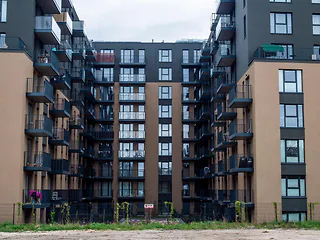
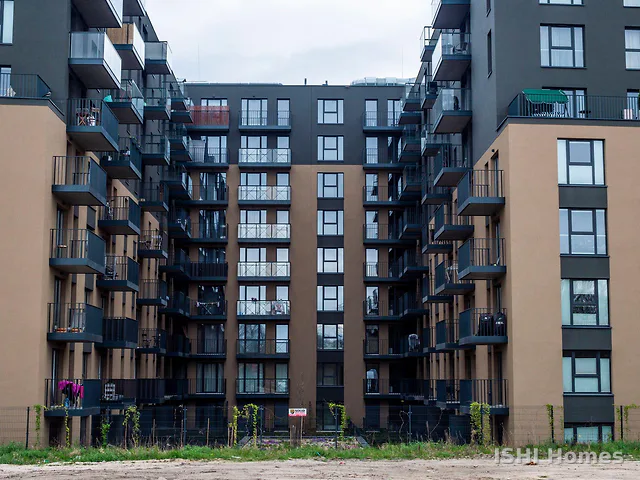
Most apartments in Kilimani are in gated buildings with guards. Safety still differs from street to street.
When viewing, check:
- Is there a guard at the gate day and night?
- Is there CCTV, good lighting and secure parking?
- Is the walk from the road to the gate well lit?
- Talk to current tenants about how safe they feel.
Shopping and daily life
Yaya Centre is a well-known shopping spot in the area. You will also find supermarkets, cafes, restaurants, gyms and salons around Kilimani. Smaller shops and kiosks are common near apartment blocks for quick buys. Walk around the area before you sign to see what is close to your gate.
Schools and health
There are schools, clinics and hospitals in and near Kilimani. If you have children, visit schools yourself and ask about fees, places and transport. Find out which clinic or hospital is closest and whether it accepts your medical cover.
Internet
Many apartments in Kilimani are wired for fibre internet. Ask the caretaker which providers already serve the building, and ask neighbours how reliable it is. Check if Wi-Fi is included, especially in serviced units.
Pros and cons of living in Kilimani
| Pros | Cons |
|---|---|
| Close to town and Ngong Road | Rent is higher than many areas |
| Many shops, cafes and Yaya Centre | Traffic at rush hour |
| Lots of furnished and serviced options | Some streets are busy and noisy |
| Modern apartments with security | Move-in cost can be about three months of rent |
Nearby alternatives to compare
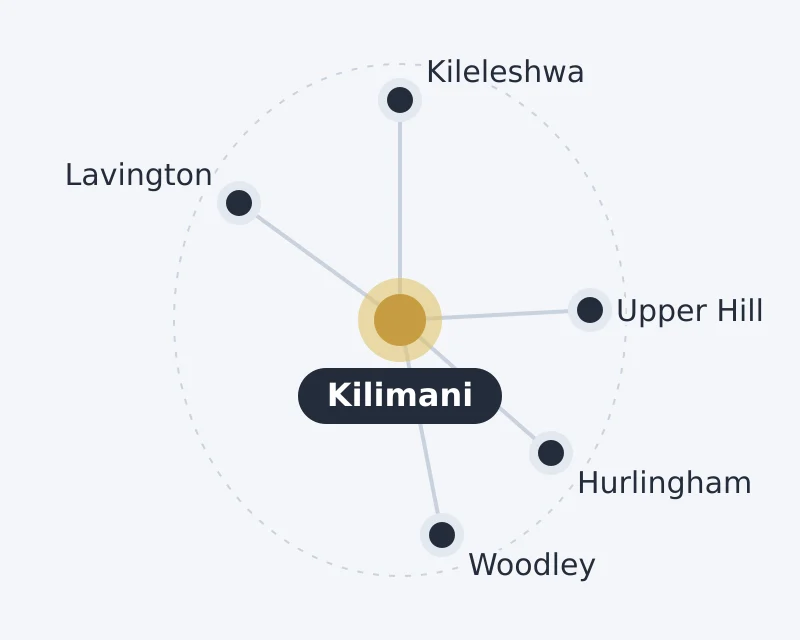
- Hurlingham: right next door with a similar feel. Worth checking if you like Kilimani but want more choices.
- Kileleshwa: mostly apartments, often a bit quieter and more residential.
- Lavington: leafier, with more standalone houses. Often pricier.
- Upper Hill: an office area. Good if you want to live near work.
- Woodley: close to Ngong Road. Worth a look if you want to stay near Kilimani.
Compare rent, travel time and water in each before deciding.
Before you pay anything
- Never pay before viewing. Do not send rent, a deposit or a "booking fee" for a house you have not seen.
- View the house in person. Check water, power, security and the area yourself, and meet the landlord or agent.
- Use verified listings. Find verified houses to rent in Kilimani on ISHI Homes at homes.ishi.digital.