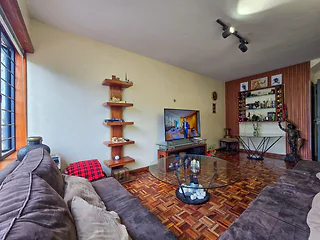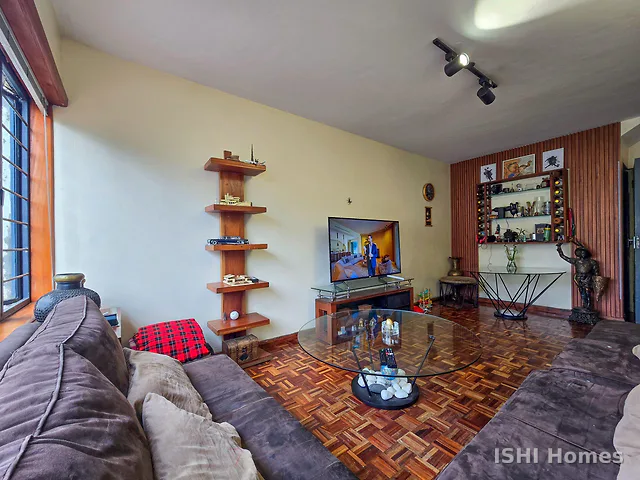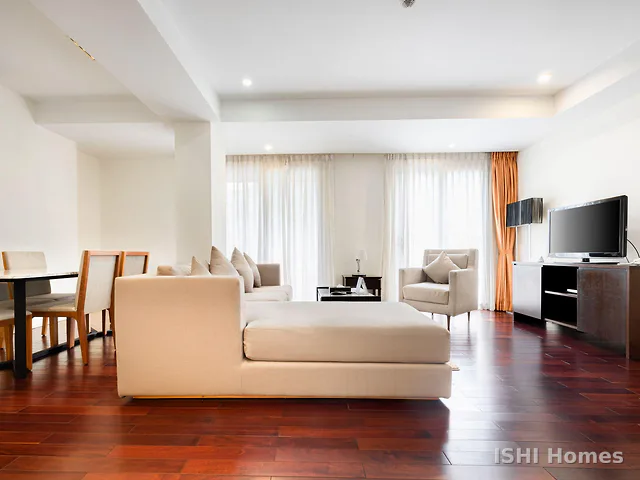
Ruiru is a busy commuter town just off Thika Road, popular with people who want lower rent than Nairobi but still need to get to the city for work. If you are looking at houses to rent in Ruiru, this guide covers rent, transport, water, power and safety, and what to check before you pay anything.
Ruiru at a glance
These figures come from ISHI Homes listings in Ruiru and the estates around it, as of 25 Oct 2026. "Move-in cost" means the first month's rent plus a deposit (money the landlord holds and should return when you leave, minus any damage).
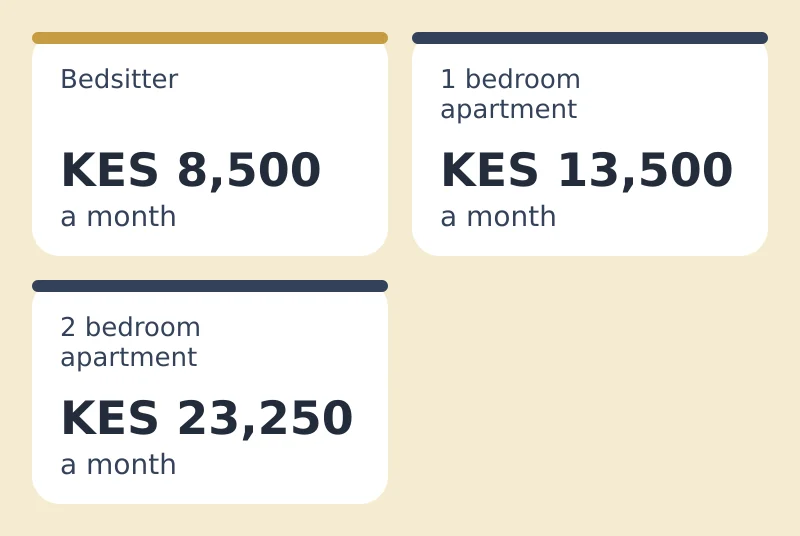
| House type | Median rent a month | Typical move-in cost | Listings |
|---|---|---|---|
| Bedsitter | KES 8,500 | KES 17,000 | 6 |
| 1 bedroom apartment | KES 13,500 | KES 27,000 | 5 |
| 2 bedroom apartment | KES 23,250 | KES 46,500 | 4 |
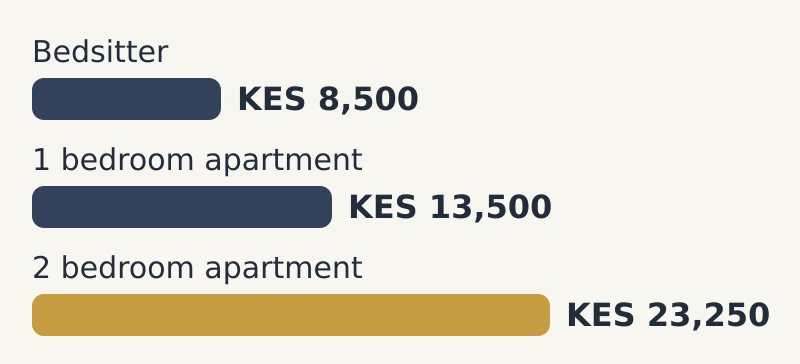
The median is the middle price, so half the houses cost less and half cost more. These numbers come from a small number of listings, so treat them as a guide, not a fixed price. Budget for extras too, such as water bills, garbage collection and a moving van.
Town centre vs the estates
Living in Ruiru can feel very different depending on where you stay.

- Town centre: close to the market, shops, banks and matatu stages. It is busy and can be noisy, but you can walk to most things.
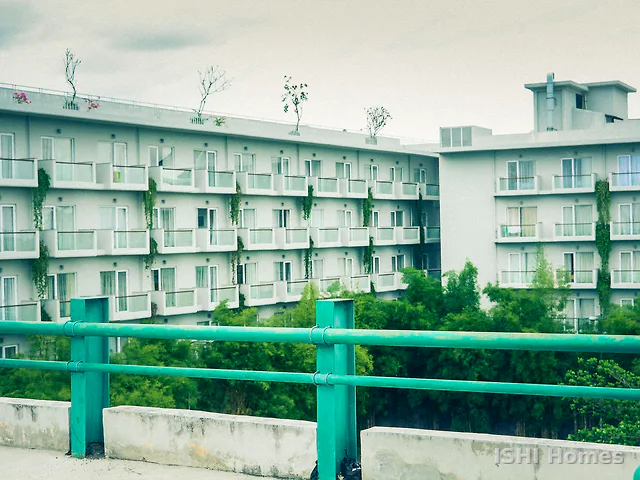
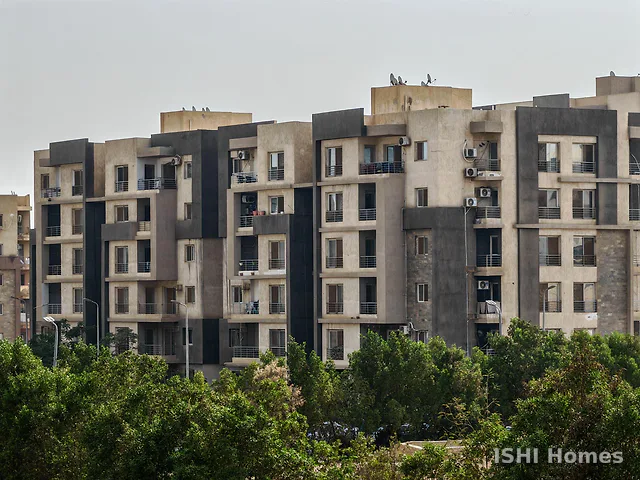
- Estates around town: quieter, often with newer apartment blocks and gated compounds. You may need a boda boda or a short matatu ride to reach the main road.
Estates closer to Thika Road or the Eastern Bypass are usually easier for commuting. Estates deeper inside may be cheaper but the last stretch of road can be rough, especially in the rainy season.
Who Ruiru suits and who it does not
Ruiru suits you if:
- You work in Nairobi, along Thika Road or around Tatu City and want lower rent.
- You are a young family looking for more space for your money.
- You are a student or young worker looking for an affordable bedsitter.
Ruiru may not suit you if:
- You need a short, predictable trip into the Nairobi CBD every day and cannot handle peak-hour traffic.
- You want a quiet, low-density area with little construction going on.
Getting around
Ruiru has three main ways to reach Nairobi and nearby areas.
- Thika Road (Thika Superhighway): the main route. Matatus run often to Nairobi and to towns further north. Traffic builds up at peak hours, so test your trip at the time you would actually travel.
- Commuter train: Ruiru has a railway station with commuter services towards Nairobi. Trains are cheap but run on a fixed timetable, so check current times and fares before you rely on them.
- Eastern Bypass: links the Ruiru and Kamakis side to the eastern parts of Nairobi and towards the airport and Industrial Area side. Useful if you work in those areas.
Tip: before signing, do your daily commute once in the morning and once in the evening from the house you like.
Jobs around Tatu City
Tatu City, close to Ruiru, is a large planned development with businesses, factories and offices. Some people rent in Ruiru to stay close to work there. If that is your plan, check the route and transport options from your estate to your workplace, because the best estate for Tatu City may not be the best for a Nairobi commute.
Water and power
Water supply varies a lot from one estate to another. Ask:
- Is the house on county water, a borehole, or both?
- Is there a storage tank, and how big is it?
- How many days a week does water come?
- Is water billed separately, and how much is a typical monthly bill?
Open the taps during your viewing. Ask neighbours, not just the caretaker.
For power, most rentals use Kenya Power prepaid token meters. Check that the house has its own meter rather than a shared one, and ask how often blackouts happen.
Safety
Safety depends on the exact street and compound, not just the town. Look for:
- A gate with a guard or caretaker
- Good lighting from the main road to the gate
- Secure doors and window grilles
Walk the route from the stage to the house in the evening. Ask neighbours and shop owners nearby what the area is like at night.
Shopping and daily life
Ruiru town has markets, supermarkets, banks, M-Pesa agents and eateries. Most estates have small shops and kiosks for daily needs. For bigger shopping, many residents also use the malls along Thika Road. Check how far your estate is from a shop, a water vendor and a matatu stage.
Schools and health
There are public and private schools and clinics in and around Ruiru. Before you move:
- Visit schools you are considering and ask about fees and transport.
- Find the nearest clinic and hospital and how you would get there at night.
Internet
Several fibre providers serve parts of Ruiru, but coverage changes from estate to estate. Ask the landlord which providers already connect the building, and check mobile signal inside the house during your viewing.
Pros and cons of living in Ruiru
| Pros | Cons |
|---|---|
| Lower rent than most of Nairobi | Peak-hour traffic on Thika Road |
| Three commuter options: road, train, bypass | Water supply varies by estate |
| Close to jobs around Tatu City | Some estate roads are rough in the rain |
| Growing town with shops and services | Lots of ongoing construction |
Nearby alternatives
If Ruiru does not feel right, compare these nearby areas:
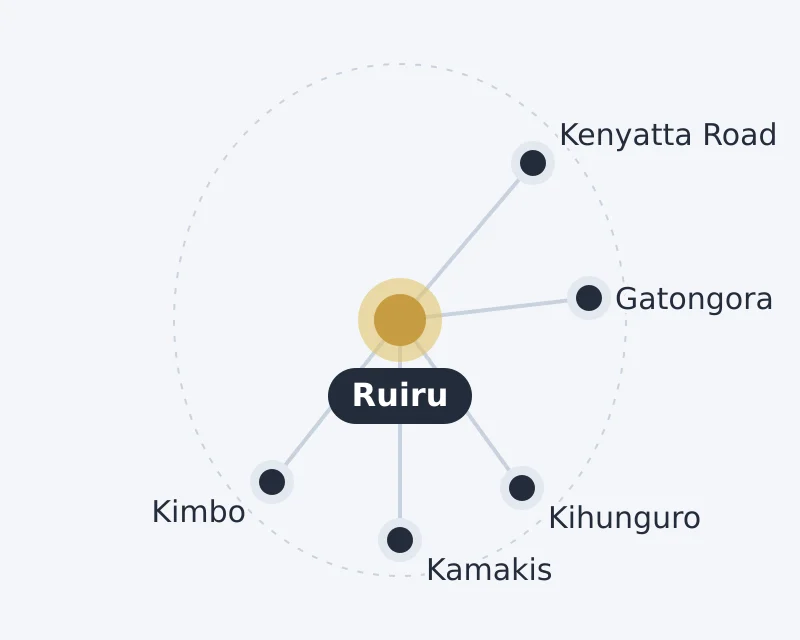
- Kamakis: along the Eastern Bypass, handy if you work on the east side of Nairobi.
- Kimbo: close to Thika Road and Ruiru town, with many apartment blocks.
- Kihunguro: residential area near Ruiru, often quieter.
- Gatongora: further along, may offer more space for the money.
- Kenyatta Road: further north along Thika Road, often more affordable.
Compare rent, water and your commute in each before deciding.
Before you pay anything
- Never pay before viewing. Do not send a deposit or "booking fee" for a house you have not seen.
- View the house in person. Check water, power, security and the road, and meet the landlord or agent.
- Use verified listings. Find verified houses to rent in Ruiru on ISHI Homes at homes.ishi.digital.