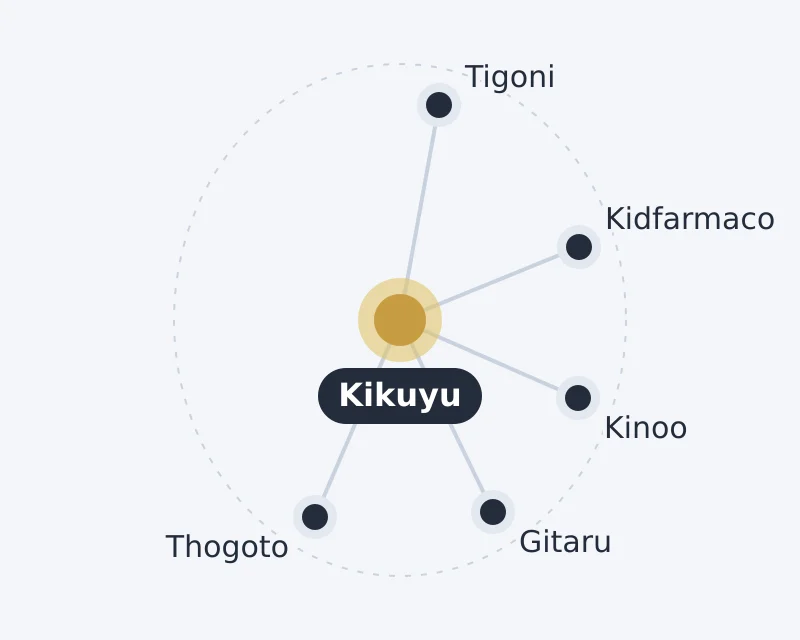
Kikuyu is a busy town in Kiambu County, west of Nairobi, with good road links that make it popular with commuters. If you are looking at houses to rent in Kikuyu, this guide covers what daily life is like, how people get around, and what to check before you sign. It also compares Kikuyu with nearby areas such as Thogoto, Kidfarmaco, Kinoo, Gitaru and Tigoni.
Kikuyu at a glance
- Where: Kiambu County, west of Nairobi, close to the Southern Bypass and the main highway towards Nakuru.
- Feel: A real town with a busy centre, plus quieter residential pockets like Thogoto and Kidfarmaco around it.
- Housing: A mix of bedsitters, one and two bedroom flats, and some standalone houses further out.
- Rent: ISHI Homes has no Kikuyu listings published yet, as of 26 Oct 2026, so we do not quote rent figures here. Live houses will appear on the Kikuyu area page on ISHI Homes as agencies list them.
Who it suits and who it does not
Living in Kikuyu suits:
- Commuters who want road access to Nairobi through the Southern Bypass or the highway.
- Students and staff linked to the colleges and institutions in and around the town.
- Families who want more space and a calmer pace than inner Nairobi.
- People who like having a town centre with shops and services nearby.
It may not suit:
- People who need to be in central Nairobi early every day and cannot handle peak-hour traffic.
- Anyone who wants a very quiet, rural setting right in the town centre.
- Tenants who cannot cope with occasional water shortages without storage.
Getting around
Most people commute by matatu, private car or motorbike (boda boda) for short trips. The Southern Bypass gives drivers a route around the city towards areas like Westlands, Karen and the industrial side of Nairobi. The main highway is another option, but it can be slow at rush hour.
Kikuyu also has a railway station, and commuter trains have served the town in the past. Check the current schedule before relying on it.
Tips for checking your commute:
- Do a test trip at the time you would normally leave for work.
- Ask neighbours which matatu stages are closest and how full they get in the morning.
- If you live in Thogoto or Kidfarmaco, check how long it takes to walk or ride to the main road.
- Look at fuel and parking costs if you drive.
Water and power
Water supply can vary by estate. Some homes rely on county supply, others on boreholes, and many use both.

Ask the landlord or agent:
- How many days a week does water flow?
- Is there a storage tank, and how big is it?
- Is there a borehole, and is water billed separately?
- Who pays for water bowsers if supply stops?
For power, most homes use prepaid tokens. Ask whether the meter is shared or your own, and how often outages happen. A shared meter can lead to disputes over bills.
Safety
Safety depends a lot on the exact street and building. Do not rely on general reputation.

What to check:
- Is there a gate, a guard or a caretaker?
- Is the route from the main road lit at night?
- Do neighbours feel safe walking home after dark?
- Are there working locks, grilles and secure doors?
Visit at night as well as in the day. Talk to a few people who already live in the estate.
Shopping and daily life
Kikuyu town has markets, supermarkets, banks, M-Pesa agents, eateries and hardware shops. Daily needs are usually easy to meet in the town centre. In quieter areas like Thogoto or Kidfarmaco, you may need a short trip into town for bigger shopping. Walk around the area you are considering and see what is within reach.
Schools and health
There are public and private schools at different levels in and around Kikuyu, and there are hospitals and clinics in the area. Quality and fees vary.
- Visit schools yourself and ask about fees, transport and term dates.
- Find the nearest clinic and hospital to the house you want, and check their hours.
- Ask neighbours which facilities they use.
Internet
Fibre and mobile data are available in many parts of Kikuyu, but coverage differs by building. Before you move:
- Ask the landlord which providers already serve the building.
- Check mobile signal inside the house, not just outside.
- If you work from home, confirm the setup cost and waiting time for fibre.
Pros and cons of living in Kikuyu
| Pros | Cons |
|---|---|
| Road access through the Southern Bypass | Peak-hour traffic on main roads |
| A full town centre with shops and services | Town centre can be noisy and crowded |
| More space than inner Nairobi | Water supply can be uneven |
| Quieter pockets like Thogoto and Kidfarmaco | Some estates have rough access roads |
Nearby alternatives
| Area | Worth a look if you want |
|---|---|
| Thogoto | A quieter, more settled area close to Kikuyu town |
| Kidfarmaco | A residential feel near the town, with easy access to services |
| Kinoo | To be closer to Nairobi along the highway |
| Gitaru | A growing residential area near the bypass |
| Tigoni | Cooler weather, greenery and a more rural setting |
Compare commute, water and security in each before you decide.
Before you pay anything
- Never pay before viewing. Do not send a deposit or booking fee for a house you have not seen.
- View the house in person. Check the water, power, locks and the route home. Meet the landlord or agent face to face.
- Use verified listings. Find verified houses on ISHI Homes at homes.ishi.digital. New Kikuyu houses appear on the area page as agencies list them.