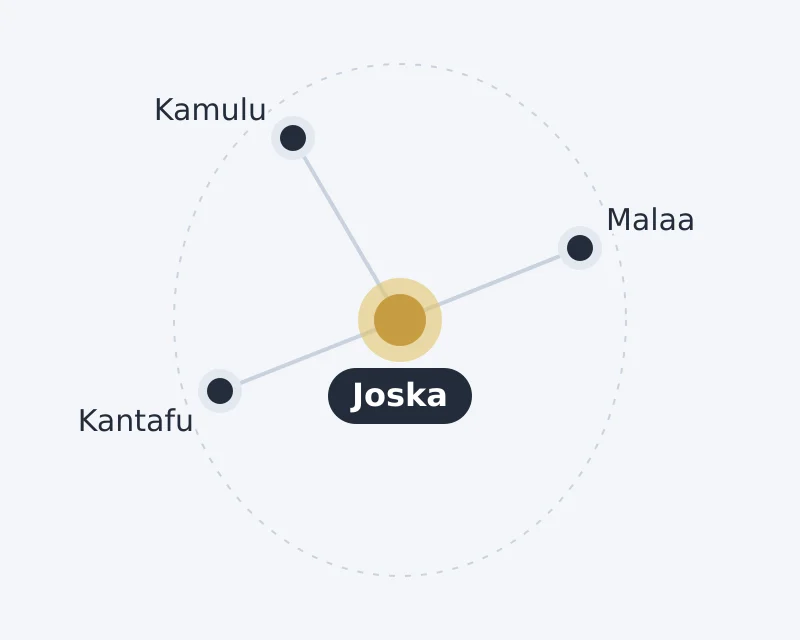
Joska sits along Kangundo Road, past Kamulu, on the eastern edge of the Nairobi commuter belt. If you are looking at houses to rent in Joska, you are probably after more space, a quieter life and lower costs than in the city. The trade-off is distance. This guide covers what living in Joska is like day to day, and what to check before you sign.
Joska at a glance
- Where: Along Kangundo Road, beyond Kamulu, heading away from Nairobi.
- Feel: Semi-rural and growing. A mix of new rental blocks, bungalows on plots and open land.
- Best for: People who want space and calm, and can live with a long commute.
- Rent: ISHI Homes has no published Joska listings yet (as of 26 Oct 2026), so we are not quoting rent figures here. Live houses will appear on the Joska area page on ISHI Homes as agencies list them.
Who it suits and who it does not
Joska may suit you if:
- You work from home, run a local business, or work along the eastern side of Nairobi.
- You want a bigger compound, a garden or room for children to play.
- You are happy to plan your day around travel time.
- You are thinking long term, for example renting while you look at buying land nearby.
Joska may not suit you if:
- You must be in the city centre or Westlands early every day.
- You rely on late-night transport.
- You need many shops, hospitals and entertainment within walking distance.
Getting around
Kangundo Road is the main link to Nairobi. Most people use matatus along it, or drive. Expect a long commute to the city centre, especially at rush hour when traffic builds near Kamulu, Ruai and the areas closer to town.
What to check before you move:
- Do a test trip at the time you would really travel, both morning and evening.
- Walk from the stage to the house. Some plots are a good distance off the main road on murram (dirt) roads.
- Ask about rainy season access. Inner roads can get muddy. Ask neighbours if cars and boda bodas still get through.
- Check the last matatu time back to Joska if you work late.
Water and power
Water is one of the most important things to ask about in Joska. Supply can differ a lot from one plot to the next.
Ask the landlord or agent:
- Where does the water come from - a piped supply, a borehole or bought water?
- How many days a week does it flow?
- Is there a storage tank, and how big is it?
- Who pays for water, and is it billed by meter or as a flat fee?
For power, ask whether each house has its own token meter (prepaid electricity) or shares one. A shared meter often leads to disputes. Ask neighbours how often outages happen. If you work from home, a backup plan such as a power bank or small inverter helps.
Safety
Safety in Joska depends a lot on the exact street and compound. Do not rely on general reputation, good or bad.
- Look for a solid wall or fence, a working gate and good lighting.
- Ask if there is a caretaker or guard, and at what hours.
- Walk the route from the stage to the gate after dark before you commit.
- Talk to two or three tenants already living there.
- Ask about any local residents' group or neighbourhood watch.
Shopping and daily life
Joska has local shops, kiosks, butcheries and markets for daily needs. For bigger shopping, many residents go to larger centres along Kangundo Road or closer to Nairobi.
Life here is slower and quieter than in the city. Evenings are calmer, and many compounds have more open space. On the other hand, restaurants, gyms and entertainment are fewer, so you may travel for them.
Schools and health
There are schools and small health facilities in and around Joska, but quality and fees vary. Before you move:
- Visit the schools you are considering and ask about fees, transport and term dates.
- Find the nearest clinic for everyday care and note where the closest larger hospital is for emergencies.
- Time the trip to both, as part of your test day.
Internet
Mobile data from the main networks works in much of the area, but signal can be weaker inside some homes. Home fibre is spreading along the commuter belt but is not available on every street.
- Check your phone signal inside the house, not just at the gate.
- Ask the landlord which fibre providers already serve the building.
- If you work from home, confirm a connection is possible before you pay a deposit.
Pros and cons of living in Joska
| Pros | Cons |
|---|---|
| More space for your money than areas closer to town | Long commute to central Nairobi |
| Quieter, calmer setting | Water supply can be uneven |
| Room for gardens and children | Some inner roads get muddy in the rains |
| Good for people who work from home | Fewer big shops, hospitals and leisure spots nearby |
Nearby alternatives
If Joska feels too far, or you want to compare, look at these areas along the same corridor:
- Kamulu: Closer to Nairobi than Joska, so the commute is shorter. It is busier and more built up.
- Kantafu: Further along Kangundo Road. Usually even quieter, with more open land and a longer trip to town.
- Malaa: Also along the Kangundo Road side. Similar semi-rural feel, popular with people buying land and building.
Visit at least two areas on the same day so you can compare travel, water and the feel of each place.
Before you pay anything
- Never pay before viewing. No deposit, no "booking fee", no rent in advance.
- View the house in person. Check water, power, the road and the compound yourself. Photos are not enough.
- Use verified listings. Find verified houses to rent in Joska and nearby areas on ISHI Homes at homes.ishi.digital.