
Moving is stressful, but most problems come from doing things too late. This moving house checklist for Nairobi breaks the job into small steps, week by week, so nothing is forgotten. Print it, screenshot it, or keep it open on your phone and tick items off as you go.
First, know what moving will cost
Before you start, work out how much money you need. Most landlords ask for the first month's rent plus a deposit. A deposit is money the landlord holds in case you damage the house or leave unpaid bills. You should get it back when you move out, minus any fair deductions.

Here is what houses cost on ISHI Homes, as of 25 Oct 2026:
| House type | Median rent a month | Typical rent plus deposit |
|---|---|---|
| Bedsitter | KES 8,500 | KES 17,000 |
| 1 bedroom apartment | KES 15,750 | KES 31,500 |
| 2 bedroom apartment | KES 28,000 | KES 56,000 |
| 3 bedroom house | KES 45,000 | KES 90,000 |
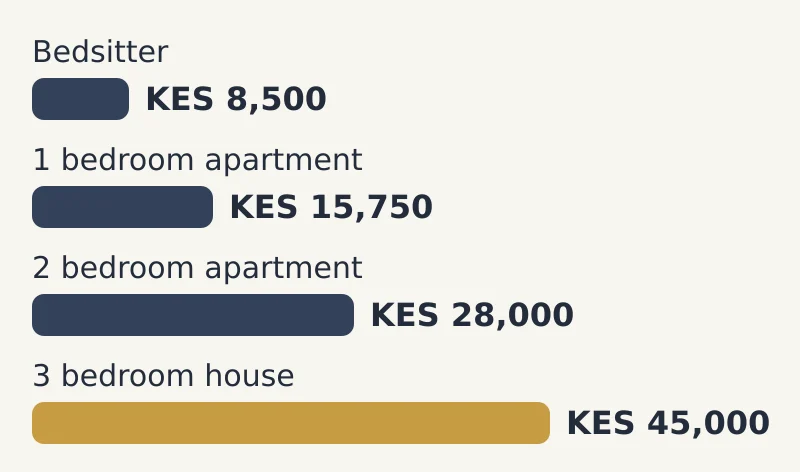
"Median" means the middle price - half the listings cost less, half cost more. These figures come from a small number of listings, so use them as a rough guide.
Prices change a lot by area. For example, as of 25 Oct 2026 on ISHI Homes:
- Toll (Ruiru): bedsitter KES 7,750, 2 bedroom apartment KES 21,250
- Kahawa Wendani: bedsitter KES 8,500, 1 bedroom apartment KES 13,250
- Roysambu: 1 bedroom apartment KES 18,250, 2 bedroom apartment KES 30,000
- Kilimani: 2 bedroom apartment KES 71,500, with typical rent plus deposit of KES 214,500
Notice that in Kilimani the move-in amount is about three times the rent, not two. Some landlords ask for a deposit of two months or more. Always ask exactly what you must pay before you commit.
On top of rent and deposit, budget for:
- Movers or a truck (get at least two quotes)
- A deposit for water or electricity, if the landlord asks
- Packing materials
- New items like curtains, gas, a bulb or two, cleaning supplies
- Some extra cash for surprises
Your week-by-week moving house checklist

4 weeks before moving
- [ ] Read your current tenancy agreement for the notice period (how early you must tell the landlord you are leaving)
- [ ] Give your landlord written notice, and keep a copy or screenshot
- [ ] Set your moving budget using the costs above
- [ ] Start looking for a new house and shortlist a few options
- [ ] Visit each house in person, at different times of day if you can
- [ ] Check water supply, phone signal, security and how you will get to work
3 weeks before moving
- [ ] Choose your new house
- [ ] Read the new tenancy agreement fully before signing
- [ ] Confirm in writing: rent, deposit, due date, and who pays water, electricity, garbage and service charges
- [ ] Pay only after viewing, and get a receipt for every payment
- [ ] Get quotes from two or three movers and ask what is included (loading, wrapping, unloading)
- [ ] Start sorting your things: keep, sell, give away, throw away
2 weeks before moving
- [ ] Book your movers and confirm the date and price in writing
- [ ] Collect boxes, sacks, tape, markers and old newspapers or cloth for wrapping
- [ ] Start packing things you rarely use (books, extra clothes, decorations)
- [ ] Label each box with the room and what is inside
- [ ] Plan to use up food in the fridge and stores
- [ ] Ask your new landlord how to set up electricity and water
1 week before moving
- [ ] Pack most rooms, leaving only daily essentials
- [ ] Clear any unpaid bills at your current house (water, electricity, garbage)
- [ ] Agree with your old landlord on a time to inspect the house together
- [ ] Update your address with your employer, bank and anyone who delivers to you
- [ ] Pack an essentials bag: phone charger, ID, documents, medicine, a change of clothes, toiletries, a torch, some snacks and water
- [ ] Confirm the movers again a day or two before
Moving day
- [ ] Take photos of your old house, room by room, before you hand over the keys
- [ ] Walk through with the landlord or caretaker and note any issues
- [ ] Hand over keys and get written confirmation that you have moved out
- [ ] Keep valuables, cash and documents with you, not in the truck
- [ ] Count your boxes before loading and again after unloading
- [ ] At the new house, take photos of every room before unpacking, to record its condition
- [ ] Check that taps, toilets, sockets, lights and locks work
- [ ] Pay the movers only when everything is inside and checked
First week in your new home
- [ ] Change or confirm the locks with the landlord, if needed
- [ ] Buy electricity tokens and check the meter belongs to your unit
- [ ] Confirm water supply and find out how storage tanks work
- [ ] Report any faults to the landlord in writing
- [ ] Unpack the kitchen and bedroom first
- [ ] Meet your caretaker and neighbours and save the caretaker's number
- [ ] Find the nearest shops, chemist, clinic and transport stage
- [ ] Follow up on your old deposit refund
Getting your old deposit back
Many tenants lose part of their deposit because they cannot prove the house was in good condition. To protect yourself:
- Clean the house well before you leave
- Fix small damage you caused, like holes from nails
- Take clear, dated photos on moving day
- Ask the landlord to list any deductions in writing
- Agree on when the refund will be paid, and follow up politely
Tips for hiring movers
- Get the price, date and what is included in writing
- Ask if they wrap furniture and fragile items
- Ask who pays if something breaks
- Do not pay the full amount before the move is done; a small booking fee is common, but keep it reasonable
- Avoid moving on weekends at month end if you can - movers are busiest then
Before you pay anything
- Never pay before viewing. Fake agents often ask for a "booking fee" or deposit for houses that do not exist or are not theirs to rent.
- View the house in person. Photos and videos are not enough. Meet the landlord or a real agent at the house, and confirm who you are paying.
- Find verified houses on ISHI Homes. Browse listings at homes.ishi.digital to start your search with houses that have been checked.